
Emerging technologies for industrial performance and competitiveness
Industrial productivity increasingly depends on the ability to measure, monitor and decide in real time. Through our projects with businesses across different sectors, we instrument processes and installations to turn data into operational decisions. That is the foundation of any Industry 4.0 strategy.
Solutions
Capabilities for businesses and for households
For businesses
Continuous measurement of processes, consumption and installations, with dashboards and alerts that support operational decision-making.
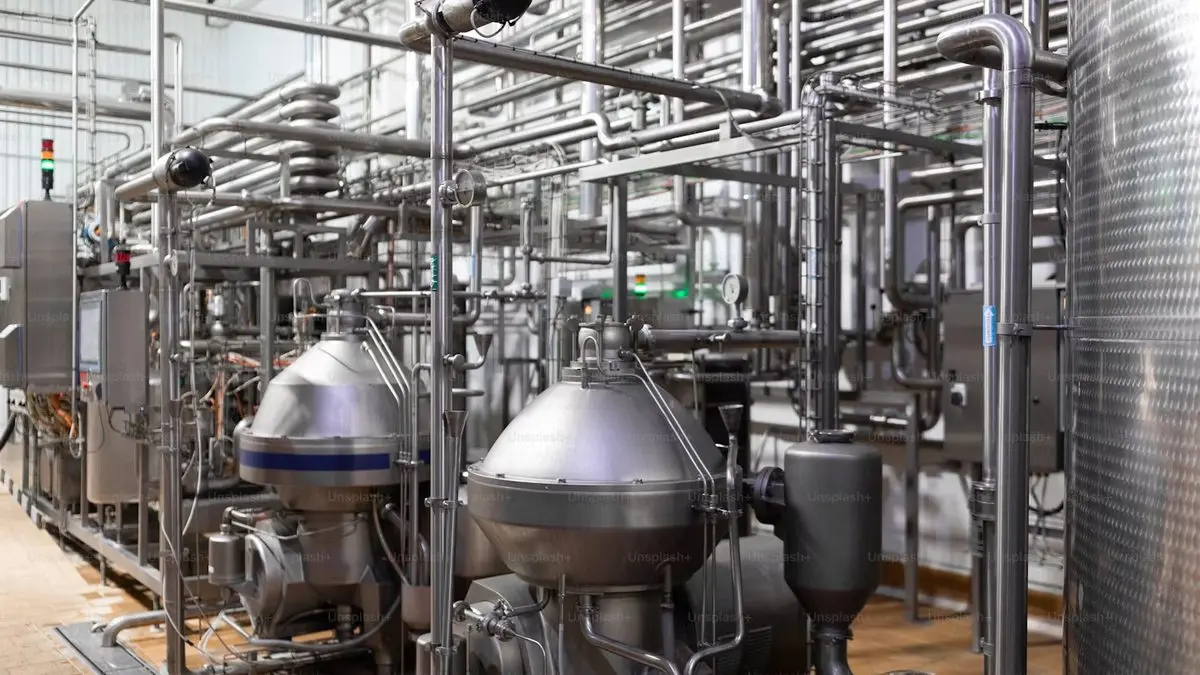
Industry and production
Temperature, pressure, flow, vibration and energy on the equipment critical to output, with continuous history instead of walk-round readings.
See this area
Energy and compressed air
Electricity metering by panel and by line, monitoring of the compressed air network, and a breakdown of consumption inside the site.
See this area
Water and environment
Reservoir levels, network flows, air quality, temperature, humidity and wind, including points with no power and no mobile coverage.
See this area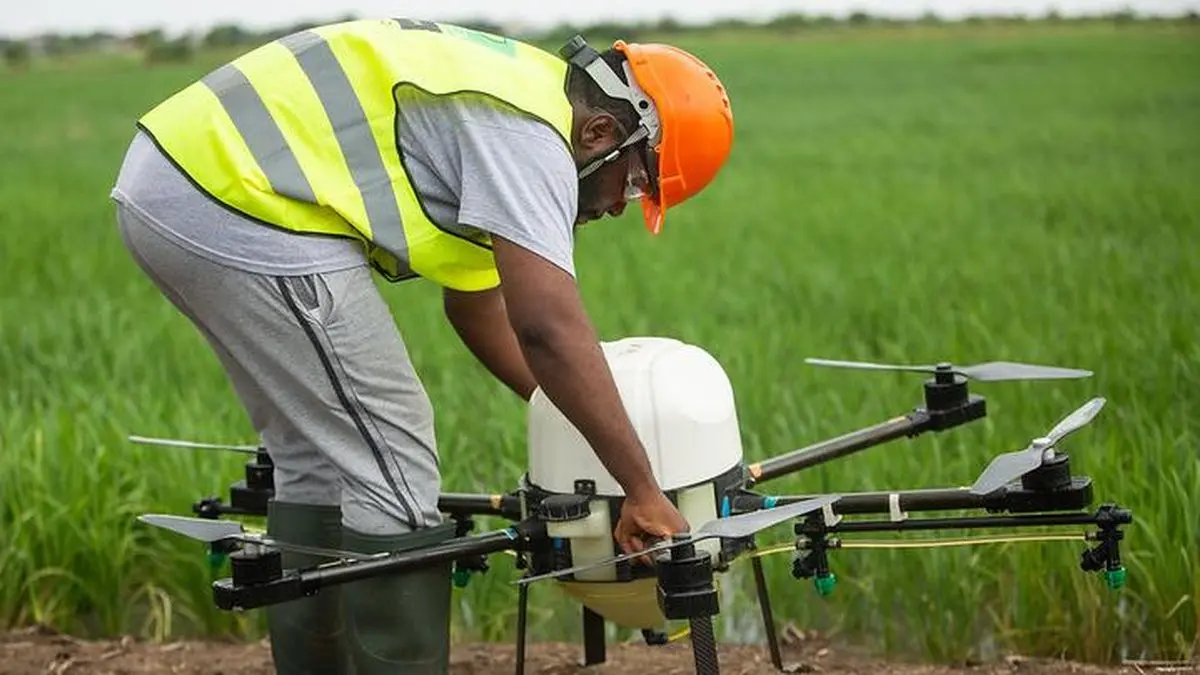
Agriculture
Soil moisture at several depths, a weather station and metering of the water applied, with a range that covers the estate from a single high point.
See this area
Logistics and cold chain
Temperature in cold rooms, trailers and at delivery points, with a timestamped record that stands as proof for the customer and for the health authority.
See this area
Buildings and infrastructure
Consumption, occupancy, temperature and plant status in office buildings, shopping centres and residential complexes.
See this areaFor households
Visibility over household electricity consumption, with monthly targets and an estimate of the prepaid balance left.

Methodology
Five steps, from measurement to operational decision
The methodology stays consistent across every project. What changes is the set of sensors installed and the parameters defined with each team.
Measure
We install wireless sensors at the points that determine the outcome of the operation. The wireless link allows installation while production continues, and most sensors stay operational for years on a single battery.
- Temperature, pressure and flow in process circuits
- Current and energy in electrical panels
- Level in tanks, silos and reservoirs
- Vibration and temperature on rotating equipment
- Door opening and readings from meters already installed
- And others, depending on the specific needs of each installation.


Case studies
Real results, by sector
Through our projects, we show how real-time monitoring translates into measurable operational gains, with the simulator and the results for each case.

Cutting fleet stoppages and delays at an open-pit mine
An open-pit mine with trucks, excavators and a crusher, where unreported stoppages cost whole shifts of production.
See the case study Industry
Cutting unplanned stops on a bottling line
A beverage bottling line, from fermentation to palletising, where a stopped machine only showed once product was already piling up behind it.
See the case study Energy
Cutting the demand peak at an industrial site
An industrial site fed by the public grid and a backup generator, where the energy bill arrived with no explanation of what drove it up.
See the case studyFrequently asked questions
What people ask us before starting
How long does an installation take?
It depends on the number of points. A small perimeter of five to ten sensors becomes operational within a few days, site visit included. An installation with dozens of points takes a few weeks, usually spread out so that operations never stop.
Do we have to stop production to install?
In most cases, no. The sensors are wireless, and many mount on the outside of the equipment with a strap or a magnet. Only connections to electrical panels and to some process circuits require a short shutdown, scheduled with the maintenance team.
Does the data belong to the client?
Yes. It is stored wherever is decided, on the client's premises or on a server of their choice, and can be exported as a file or read directly by another system. We do not work with closed formats.
Can we start small?
That is what we recommend. A small perimeter validates network coverage in the building and shows whether the data is useful, before any larger commitment. The decision to expand comes afterwards, with the first weeks of history in hand.
Does it integrate with the systems already in place?
Yes. We integrate a reading from meters, PLCs and drives that are already installed rather than duplicating the measurement, and the data can feed the existing ERP or maintenance system.
Do you work across the whole country?
Yes. This technology was chosen precisely because it works well far from urban centres, where there is neither cable nor reliable network coverage.
What if there is no internet on site?
The gateway stores readings locally and synchronises as soon as the link is restored, so nothing is lost. On sites with no link at all, we use a mobile modem or collect the data periodically, depending on the case.
How long does a sensor battery last?
Between three and ten years, depending on the sensor type and how often it transmits. A temperature sensor reporting every ten minutes lasts longer than an accelerometer analysing vibration every hour. The estimated battery life of each point is stated in the proposal.