
What we do
From the field survey to ongoing operational support
Our process covers the full project cycle: field survey, architecture design, equipment installation, training for the responsible team, and support for the operation after handover. We stay available through the following months, a critical period for calibrating alert parameters.
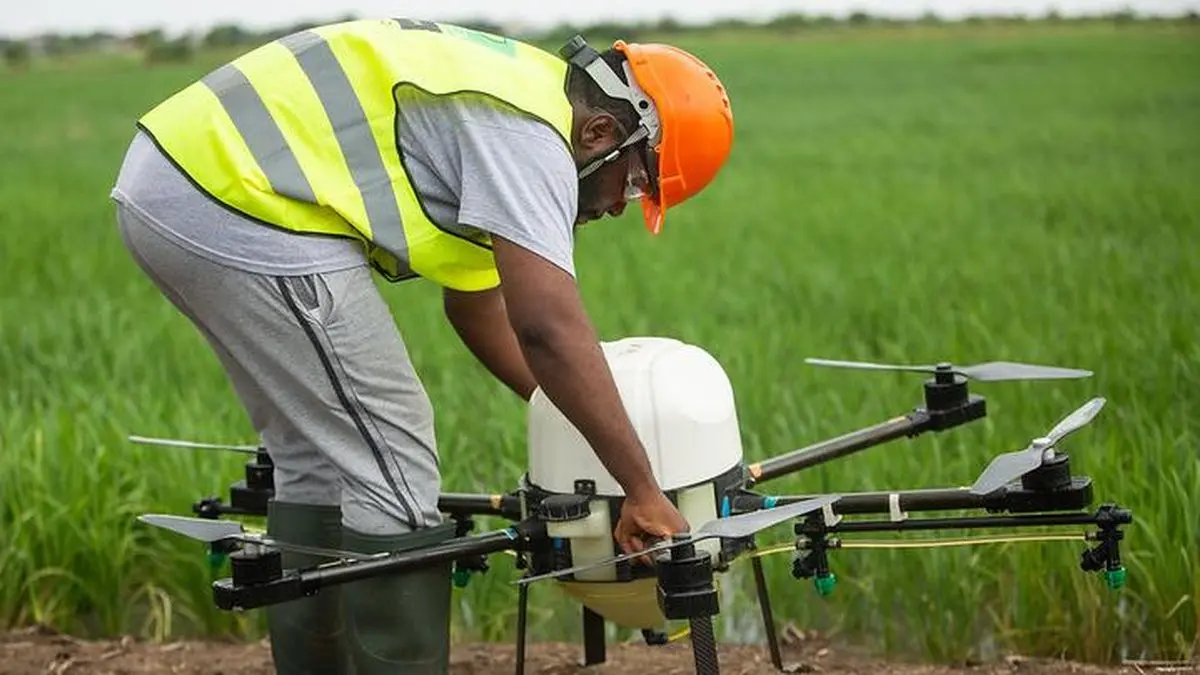
Through our projects in Angola, we identified a recurring challenge: measuring points that are far away, with no power available and no reliable network coverage. That is why we work with long-range radio sensors, able to communicate over several kilometres with years of battery life. This is the solution that makes it viable to instrument installations where cable infrastructure would never be justified.


Methodology
How a project runs
Site survey
We look at the installation, measure radio signal quality at the points that matter and identify what is already instrumented. It is that visit that lets us say what can be done and what it costs.
Architecture and proposal
We set out where the sensors and gateways go, what each point will measure, how often, and what it costs to install and to maintain.
Installation and training
We install while the plant runs whenever possible. The team that will use the system is trained on the real screens, with data from their own site.
Ongoing support
We adjust alert thresholds with the experience of the first months, add measuring points where they are missing and keep the network running.
Start with a technical site visit
We need to see the installation before we can propose anything useful. The visit carries no commitment and serves both to validate network coverage and to identify instrumentation priorities.